
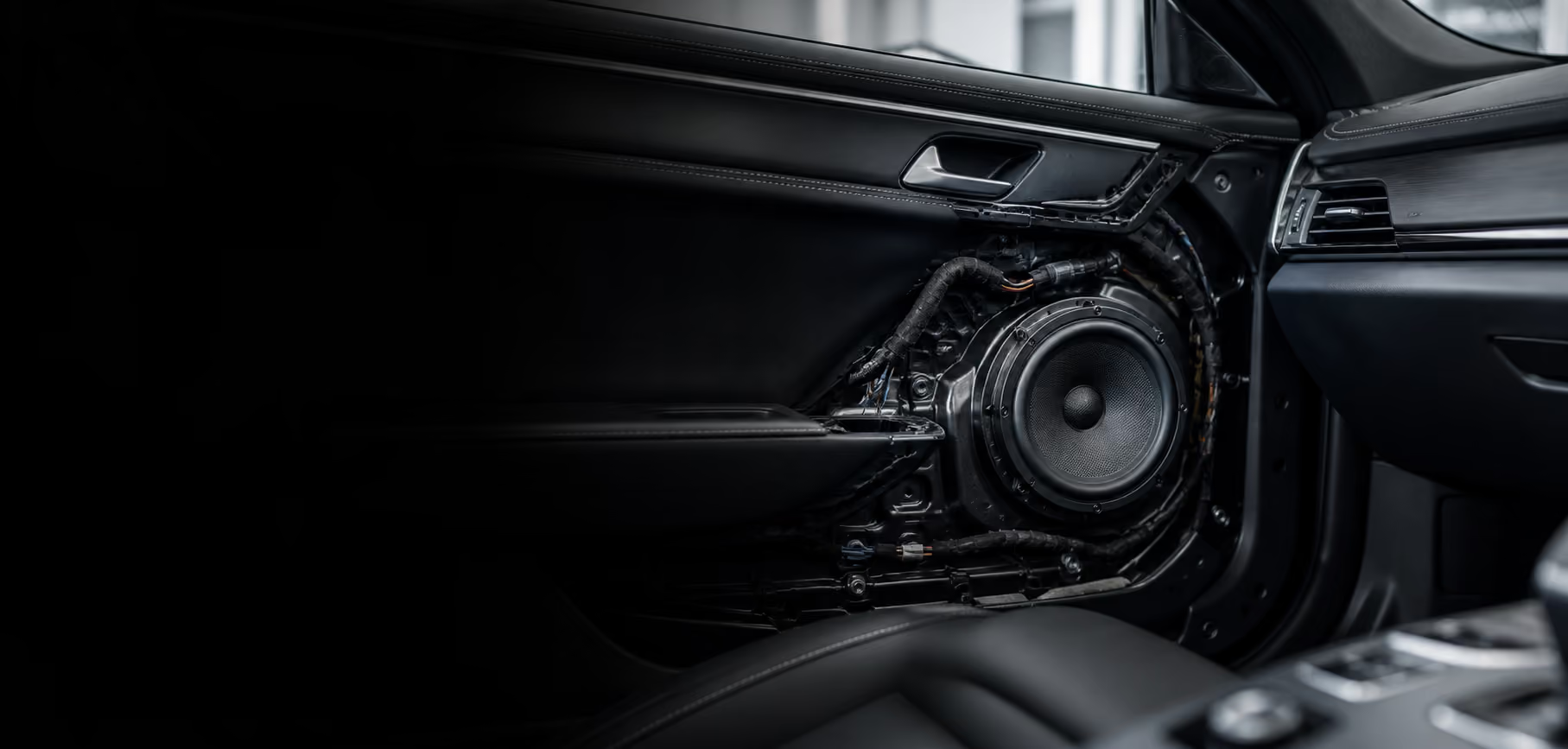
Car cabins often contain items that go unnoticed until interior work is about to begin: cables, glasses, bottles, documents, or small belongings in seat pockets. A belongings record helps the owner and recipient understand what goes home and what remains in the vehicle.
Prepare it alongside the discussion of work scope. Owners do not need to dismantle components. Use the record to clarify handover, then confirm how belongings will be handled with the workshop doing the work.
Separate three groups of items
The first group is loose personal belongings you can take home through normal use. The second is fitted accessories or items connected to vehicle systems. The third covers objects or parts included in the agreed work.
Do not treat a loose charging cable as equivalent to wiring for an installed device. If a component is unfamiliar, record it and ask the technician. An initial list supports discussion without requiring you to remove something you do not understand.
Record the group as well as the item count. “One cable taken home” differs from “device wiring remains fitted”. This wording reduces confusion between objects that look similar but serve different functions.
Check normally used storage spaces
With the car safely parked, check drawers, door pockets, the console, seat pockets, and storage areas normally used. Use ordinary access. You do not need to lift panels, open seat coverings, or inspect areas requiring dismantling.
Gather loose items before deciding which go home. If the car is shared, let other users check their belongings. The main owner may not know what is inside every pocket or compartment.
Review documents and valuable items separately. Avoid putting private details into photographs that will be shared. For handover purposes, an item’s type and handling decision are often more useful than photographs of document contents.
Record a decision rather than only presence
For relevant items, write whether they go home, remain in the car after confirmation, or require discussion. A presence list without decisions can leave both parties expecting somebody else to move things. Assign the action before handing over the vehicle.
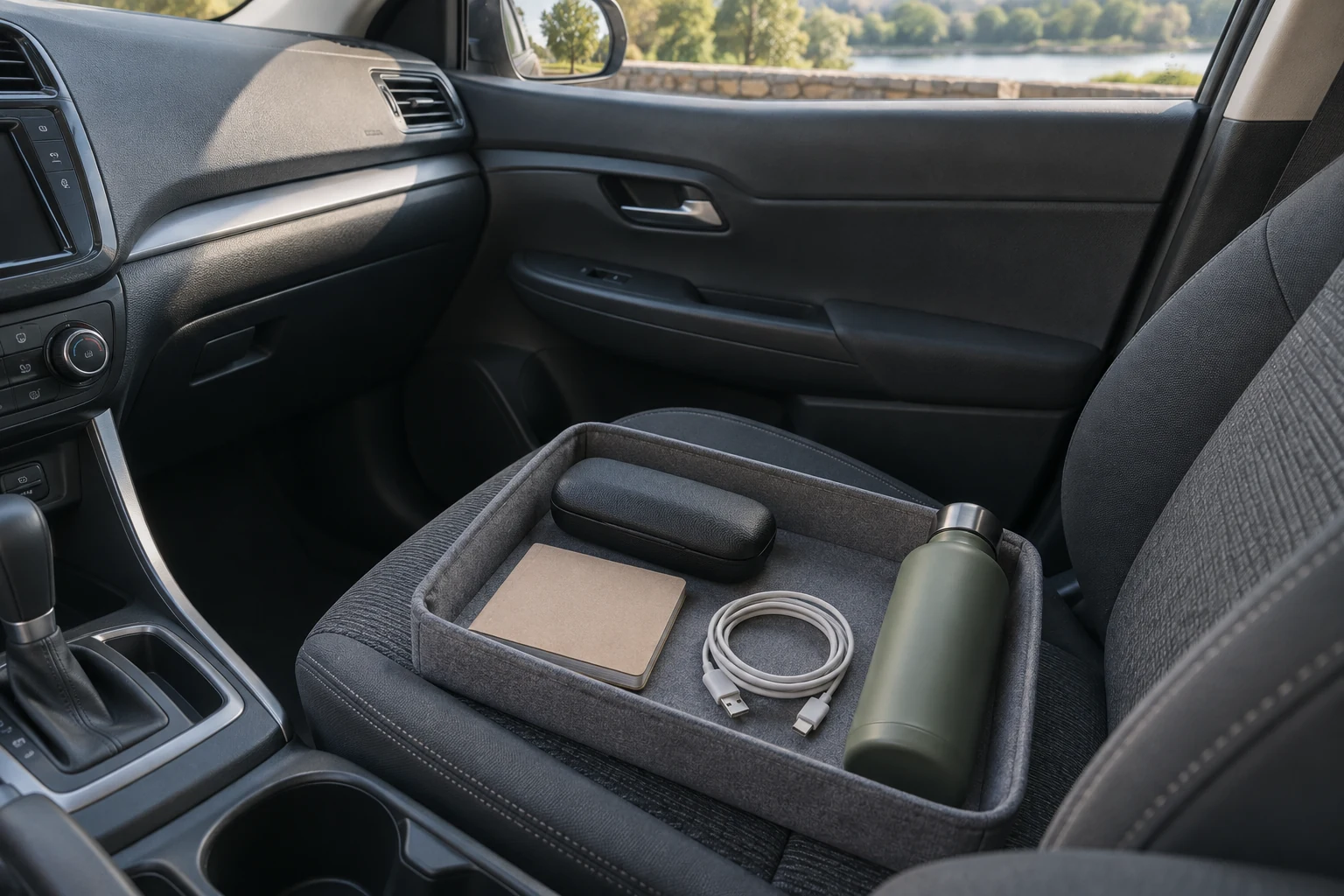
A fictional example: the owner takes home a bottle, glasses case, and charging cable. Loose floor mats are mentioned because the floor area will be worked on. Their handling follows the work agreement rather than an assumption that every workshop offers particular storage arrangements.
If an item cannot go home immediately, ask about its acceptance procedure. Do not leave it merely after sending a message nobody has acknowledged. Direct confirmation helps the record reflect the actual handover situation.
Connect belongings to the interior scope
Identify cabin areas receiving work: seats, particular trim, or other agreed parts. The belongings record becomes more useful when connected to those areas. Preparation may differ between a small job and broader interior changes.
Use the seat and interior planning guide to discuss materials and scope. A belongings list does not replace the expected-result brief. Both support agreement from different perspectives.
For fitted accessories within the work area, ask the technician what is needed. Record further inspections or pending decisions. Do not independently remove connections or devices as preparation without an appropriate explanation.
Use photographs selectively
Photographs can show a position or condition under discussion. Capture only relevant areas without open documents, account information, or unnecessary personal items. Add an area description so the recipient understands the picture’s purpose.
Record conditions already visible before work. Use neutral descriptions, such as a mark on a particular seat side. Do not assume a general cabin photograph establishes agreement on every condition; discuss acceptance with the person performing the work.
Reconcile differences between photographs and the list during handover. Items may have moved after a picture was taken. The final record should follow what was actually received rather than rely on a photograph without context.
Reconcile the record when collecting the car
Bring the confirmed summary when collecting the vehicle. Review belongings agreed to remain and the parts included in the job. Raise questions by naming the area and earlier record rather than relying on vague recollections.
For fitted accessories affected by the work, request an explanation of operation or result checks within the agreed scope. Do this with the technician while parked. A personal-belongings record is not a checklist for testing every vehicle system.
Organised preparation makes a workshop visit easier to explain. When contacting Hariman Variasi, include your interior requirements and questions about belongings. Agreements follow the work actually accepted rather than a policy assumed from an article.