
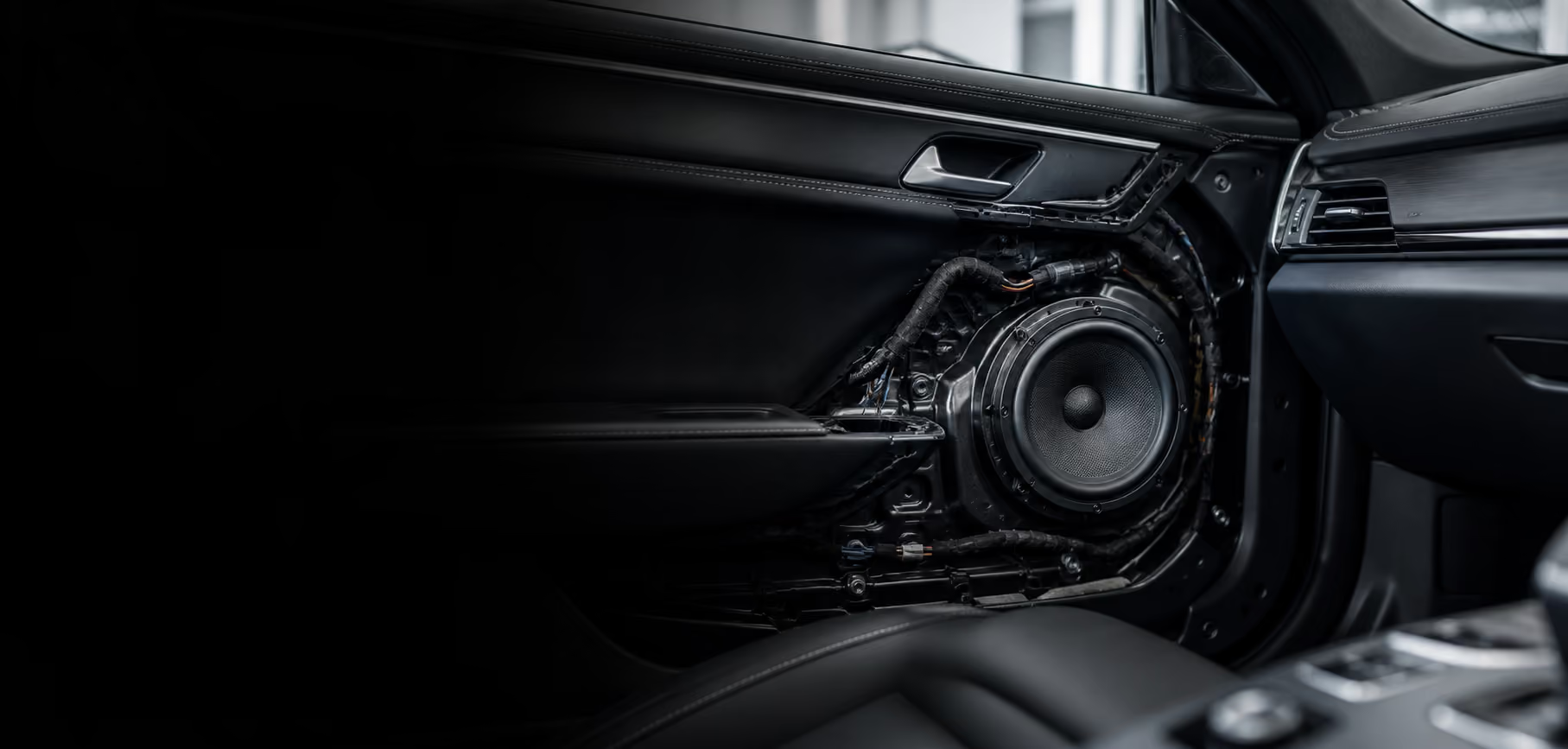
An intermittent audio issue can be difficult to explain when you reach a workshop. When a technician asks when the sound changed or which source was playing, memory may offer only “it happens sometimes.” Observation notes help the consultation begin with a clear account.
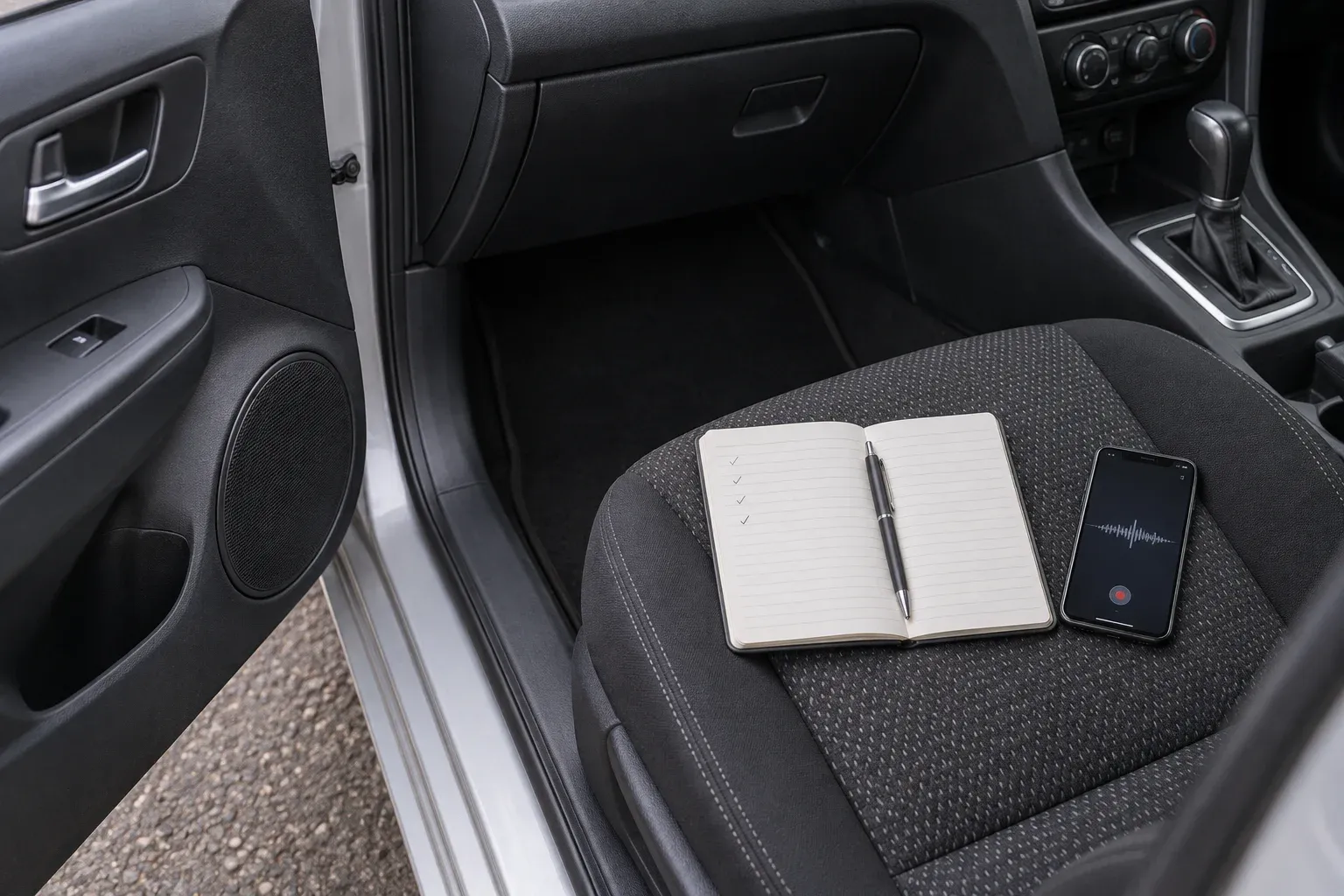
This article covers ordinary observations with the vehicle parked in a safe place. Notes do not replace a technician’s inspection or provide instructions to open wiring and components.
Describe the symptom you noticed
Choose an observable description: interrupted sound, changing volume, an additional noise or sound missing from one side. If it is difficult to name, note when you noticed it and what was playing. There is no need to immediately identify an amplifier, speaker or cable as the cause.
Record whether the incident was brief or continued. An approximate duration is adequate if you did not measure it. Avoid precise looking figures based only on guesses. The distinction between a single occurrence and a repeated issue can help a technician choose the next questions.
Identify the audio source
Note whether the sound came from radio, Bluetooth, a cable connection or another source actually available on your device. Include the source device and application when relevant. Different sources can provide useful context, but do not establish a fault location by themselves.
If you have only noticed an issue with one source, record that experience accurately. Do not change it to “all sources are affected” without observation. You do not need to force repeated trials merely to fill every field in the note.
Record accompanying conditions
State whether the vehicle was parked, whether the engine was on or off and which audio features were in use. Note changes you actually made through ordinary device controls, such as source selection or volume adjustment. Make any additional observations only while the vehicle is in a safe condition.
If an accessory installation or device change preceded the symptoms, provide an approximate date and the work you know about. That timing is information for the technician, rather than proof that a particular job caused the problem.
Add sound location and recurrence
Say whether the change appeared on the left, right, front, rear or could not be distinguished. Avoid guessing component locations because a sound seems to come from one side. If an incident recurs naturally, add another entry identifying its source and conditions.
A short recording may help if it can be made without compromising safety or disturbing other people. Explain that a phone microphone may not reproduce exactly what you hear. Written notes remain useful when a recording is unclear.
Use one complete example record
In a fictional example, an owner notes a brief sound interruption while playing a song through Bluetooth with the vehicle parked. In a later record, they have not heard the same symptom on the radio. Keep those observations separate. “Not yet heard on the radio” is more accurate than declaring the radio fault-free or identifying Bluetooth as the cause of a fault.
Add an approximate time, source device and normal action before the event, such as choosing a song or switching the audio source. If you do not know a detail, write “not yet known”. An empty field does not need a guess that later becomes an assumed fact. A useful record lets the technician distinguish direct observations from information still requiring inspection.
Retain setting changes and questions
If settings were changed through normal menus, note the changes and whether symptoms appeared before or after them. Avoid repeated resets just to try every possibility. Device instructions and the technician’s guidance should inform any additional checks.
Prepare questions you want answered, such as whether a symptom can be checked on a particular source or whether installation history needs review. Include available device documents without guessing the brand of hidden components. After the consultation, add findings actually explained by the workshop and any agreed work to the same record.
If the symptom does not appear during inspection, the notes can still guide the next step. Ask which additional information is needed and how to observe it safely. Avoid turning the result of one attempt into a conclusion that the issue is resolved without an appropriate basis for that decision.
Bring a summary to the consultation
A summary can contain the vehicle, known devices, symptom description, audio source, conditions and example incidents. Include your question: does a technician need to inspect connections, settings or components? Inspection decisions should follow workshop findings and device guidance.
If there is unusual heat, a burning smell or other electrical signs, stop using the affected feature and seek professional advice. Do not open or connect components in an attempt to prove your own theory.
Explore Hariman Variasi services and use workshop contact to discuss symptoms and inspection needs. Specific notes help the team understand your concern; findings and required work still depend on an appropriate inspection.