
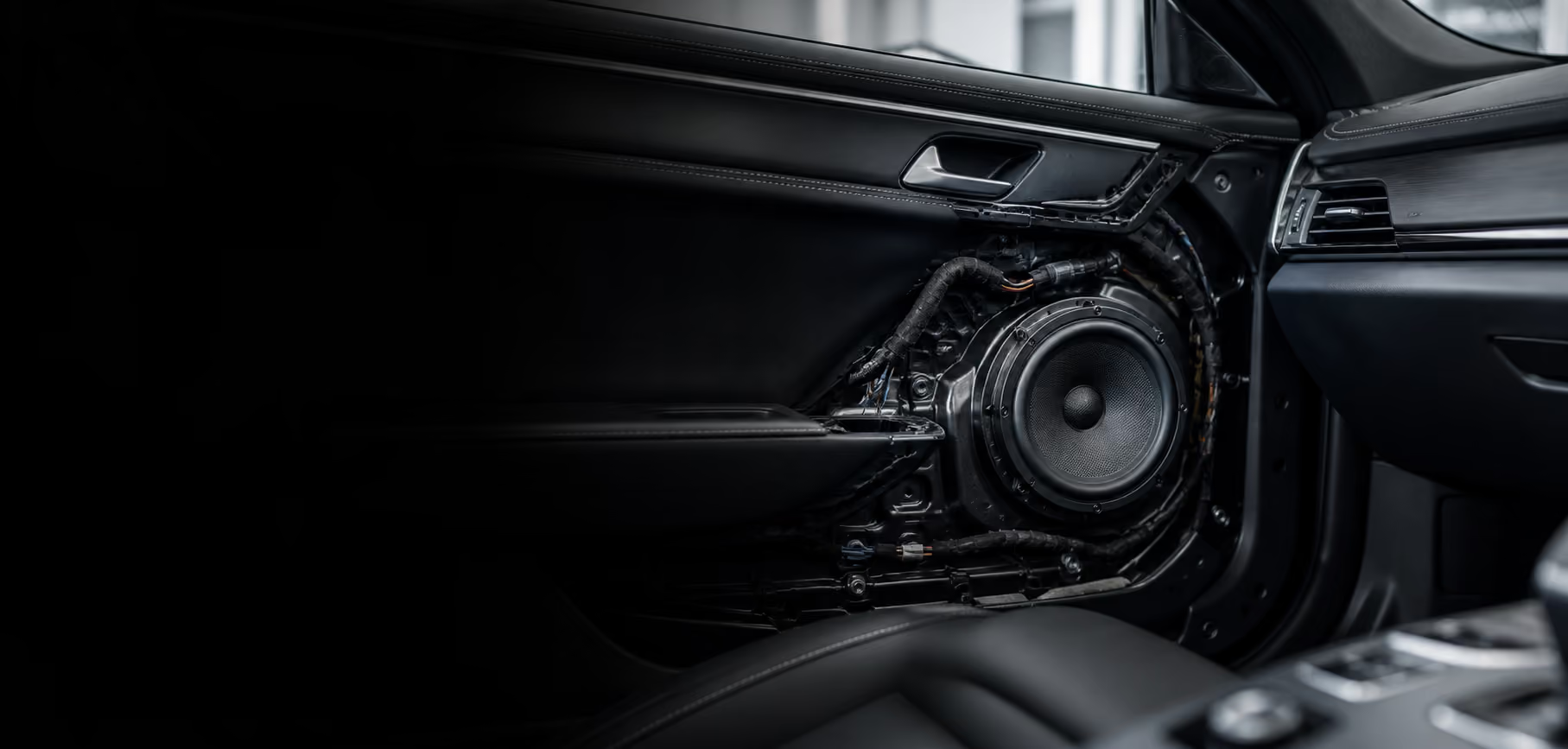
Before-and-after photographs help car owners see changes, but the comparison needs reasonably similar conditions. A different camera angle, stronger light, or tighter frame can change the impression without clearly showing the work itself.
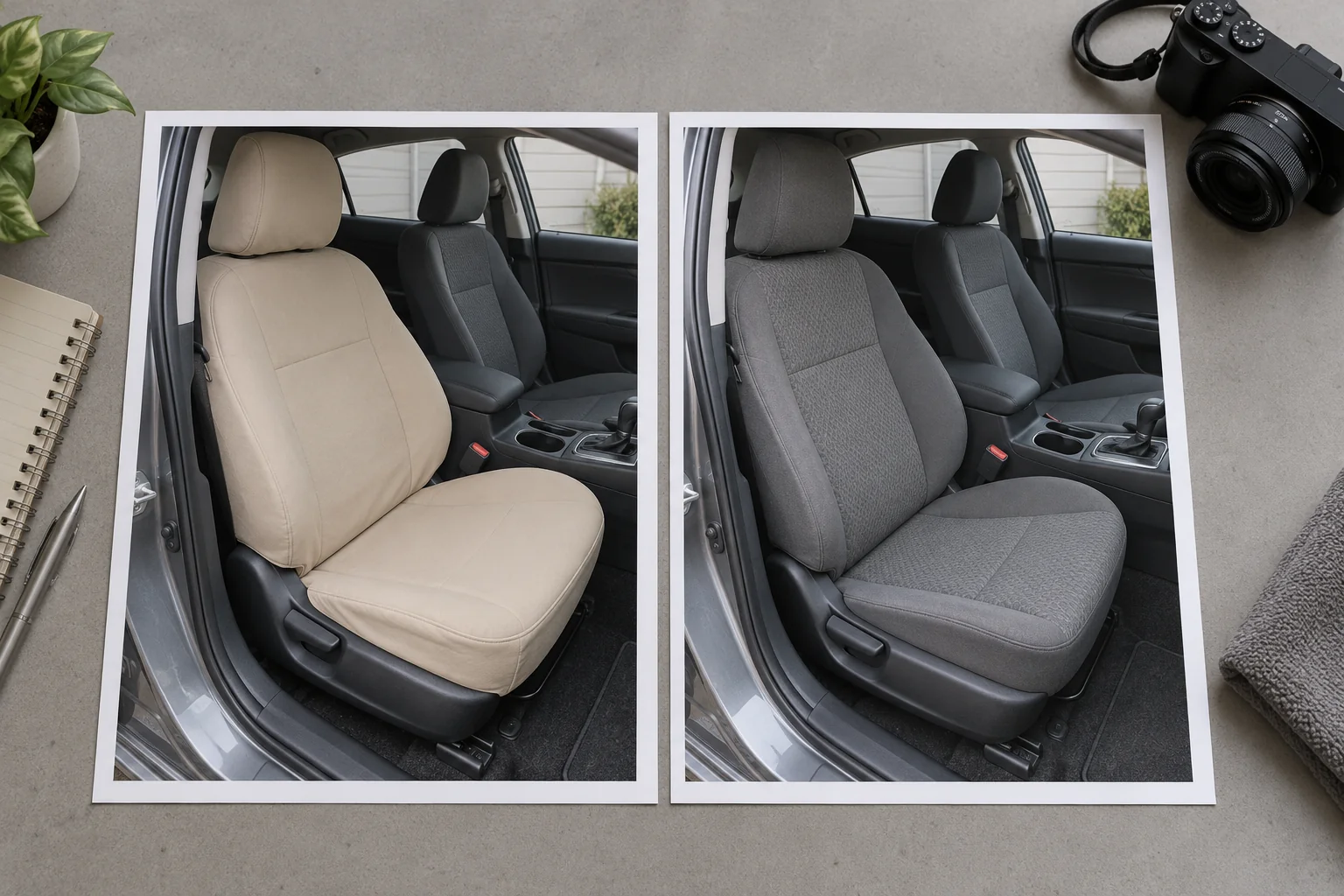
Plan documentation before work begins. Identify the parts to compare, who will take the photographs, and when images will be captured. Photographs provide a visual reference for the agreed discussion. Assessing function, materials, and acceptance still requires checks appropriate to the work scope.
Define what the comparison should show
Choose a concrete question for each photo pair. In a cabin, it might concern a panel’s appearance, the relationship between colours, or an accessory’s position. Avoid using one pair to demonstrate every aspect of the work. A limited scope helps the viewer know what to examine.
Record what is and is not included. If only one seat is being worked on, a whole-cabin photograph can provide context, but the description should identify that seat. Do not imply that the entire interior changed simply because the later image looks tidier.
Agree on permission to take and use photographs too. Documentation for an owner differs from public promotional material. If photographs will be shared externally, establish consent and protect personal information first.
Record the camera position
Take the initial photograph from a position you can repeat. Note the door used, camera height, image orientation, and features at the edges of the frame. Simple landmarks, such as a dashboard corner or seat edge, help recover the position without complicated cabin measurements.
Use consistent camera settings where available. Avoid switching between a wide lens and zoom for the same pair. Lens changes can alter apparent shapes or distances even when the cabin has not changed.
Keep the position note with the initial photograph. A different person taking the later image can then follow the reference. Do not simply request approximately the same angle without showing the intended frame.
Repeat the camera position and lighting conditions
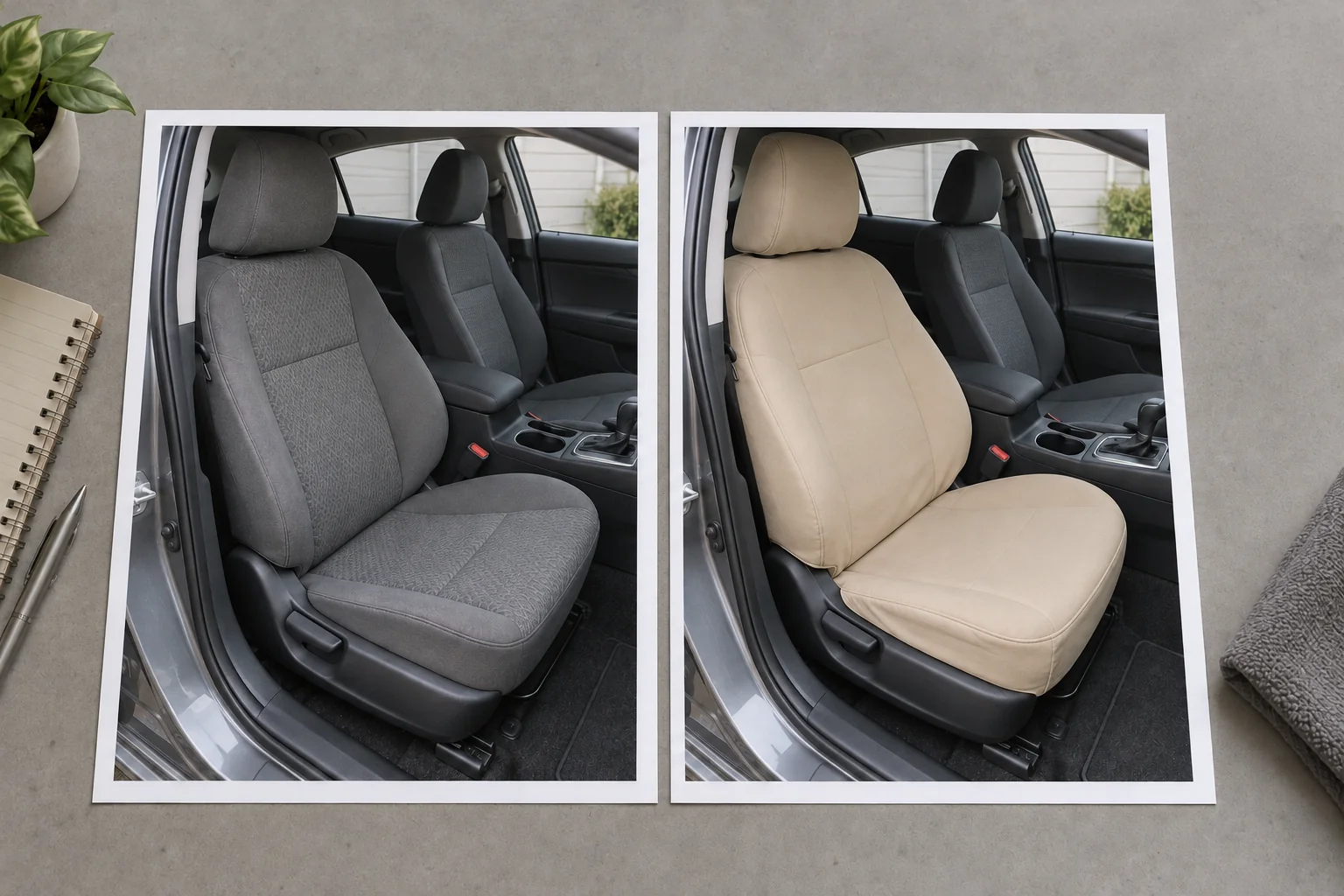
For the later documentation, repeat the vehicle location and light direction as closely as practical. Door openings, cabin lights, and surrounding objects can affect reflections. The aim is to reduce differences caused by photography so the actual scope of change is easier to see.
Use the same frame without deliberately removing a previously visible part. If conditions cannot be repeated, record the difference. An initial photograph might have been taken outdoors and the later one in shade. Readers can then understand limits when comparing colours or reflections.
Keep original files for comparison images. Adjustments that change colour or remove parts can prevent a photograph from representing the condition. If privacy requires cropping, use equivalent crops and record the resulting scope.
Pair wide views and details
A wide view establishes the location of a change. A detail helps discuss joins, surfaces, or relationships between parts included in the work. Use the correct pair for each location rather than combining a left-side initial detail with a right-side later detail without explanation.
Choose names that show sequence, such as front cabin before and front cabin after. Add the part name for detail photographs. Avoid filenames such as best final or other labels that imply a judgement before joint inspection.
Descriptions can identify scope and capture time. Do not infer material quality, durability, or function solely from appearance. Those aspects need discussion and other appropriate checks.
Read both images using the same questions
Place each pair side by side and use the prepared question list. Is the agreed part visible? Do the images provide enough context? Is a light difference affecting interpretation? Record questions that cannot be answered from photographs.
| Pair | What to examine |
|---|---|
| Wide views | Location and scope of change |
| Surface details | Appearance of the same part |
| Join details | Relationships within the agreed work |
| Condition notes | Differences in light, angle, or location |
When a part is unclear, request an additional photograph with a specific purpose. Taking numerous random images may not improve the information. A new photograph should address an unanswered question.
Use the result for a shared discussion
At Hariman, documentation requirements can be discussed alongside the vehicle work scope. Explain which parts matter to the owner and how the photographs will be used. Other interior planning articles can help prepare questions before that discussion.
When accepting the work, compare the photographs with the agreed scope and relevant direct observations. Keep decisions or further questions in a short note. If the scope changed during the job, add that context so the pair is not interpreted against an outdated plan.
Consistent documentation makes conversation easier because the owner and team are looking at the same parts. Its value comes from comparable framing, honest descriptions, and a clear connection to the work, rather than making the later photograph appear as attractive as possible.